
Sticker shock usually happens before homeowners get the full picture. One quote looks surprisingly low, another seems far too high, and suddenly the real question is not just how much do replacement windows cost, but what exactly you are paying for.
That is the right question to ask. Window pricing is not one-size-fits-all, especially when you are comparing frame materials, glass packages, installation methods, and the level of customization involved. A low number on paper can turn into a costly compromise if the product is poorly built or the installation is rushed. A higher quote may actually deliver better long-term value if it includes stronger energy performance, cleaner installation, and factory-direct pricing.
How Much Do Replacement Windows Cost on Average?
Short answer: most homeowners pay somewhere between $500 and $1,500 per window installed, with full-home projects ranging from a few thousand dollars to well over $15,000.
- On the lower end, that typically covers a standard-size slider or single-hung unit with a basic glass package.
- On the higher end, you’re usually looking at larger openings, premium styles, upgraded glass, or more complex installation work.
- A smaller home with a straightforward scope may come in much lower than a larger property with custom shapes, bay or bow windows, or structural adjustments.
That range is broad because windows are custom products. The exact cost depends on the window itself, the condition of the existing opening, and how the installation is handled. That is why honest estimating matters — try our free online cost estimator for a starting figure specific to your home.
What Affects Replacement Window Cost the Most?
The biggest price factors are window style, size, material, glass package, and labor. Some homeowners expect the glass to be the main cost driver, but in many cases installation complexity and product construction matter just as much.
Window Style
Picture windows and fixed windows are often less expensive than operable styles because they don’t need hinges, locks, or moving parts. Casement, awning, hung, and sliding windows usually sit in the mid-range, depending on size and configuration. Bay and bow windows cost more because they involve multiple units, more materials, and more labor.
If you’re choosing between styles, it helps to think beyond the upfront number. A casement window may cost more than a basic slider, but it can also offer a tighter seal and better ventilation control. Paying less at the start doesn’t always mean saving more over time.
Size and Customization
Standard sizes are generally more affordable than oversized or unusual openings. The moment a project calls for custom dimensions, special shapes, divided lites, grille patterns, or colour upgrades, the cost starts to rise. That’s not necessarily a downside — many homeowners want windows that match their home’s architecture instead of settling for a close-enough option.
Frame Material and Build Quality
Vinyl replacement windows are popular because they offer a strong balance of value, durability, and energy efficiency. But even within vinyl, quality varies. Thicker frames, better welds, stronger hardware, and more advanced manufacturing all affect price — two windows can look similar in a brochure while one is built for long-term performance and the other for a lower price point.
Glass and Energy Efficiency
Glass upgrades can meaningfully affect both price and performance. Double-pane glass is common, while triple-pane glass, low-E coatings, gas fills, and warm-edge spacers raise the price but improve comfort and efficiency. For homes in demanding climates, better glass is often money well spent — rooms feel less drafty and heating systems don’t work as hard.
Installation Complexity
Not every replacement is simple. Some old frames come out cleanly, while others reveal water damage, insulation gaps, trim issues, or structural concerns that need addressing before the new window goes in. Even a well-made unit can underdeliver if it isn’t measured properly, insulated correctly, and sealed with care.
Why Quotes Can Vary So Much
When homeowners get three estimates and see a huge gap between them, it usually comes down to scope and quality, not just markup. One quote may include removal, disposal, interior finishing, exterior capping, upgraded glass, and warranty-backed installation. Another may leave some of that out.
That’s why the lowest quote deserves a second look — ask what’s included, what’s excluded, and whether the product is built for your climate. A higher quote isn’t automatically better either; some companies simply have more overhead or less direct control over what they sell. Manufacturer-direct pricing reduces middle layers and gives homeowners a clearer path from production to installation.
How to Compare Cost Without Missing Value
Focus on total value instead of headline price. Start with the product: is it custom-built or off-the-shelf? What glass is included? What warranty coverage comes with the frame, sealed unit, and installation?
Then look at the installation side — who’s doing the work, how experienced are they, and will the crew protect the home and finish the job neatly? Ask about lead times and service after installation too. A company that controls manufacturing can often provide better consistency and clearer support if an issue needs attention later.
Is It Cheaper to Replace All Windows at Once?
Sometimes yes, but not always. Replacing all windows in one project can reduce labor inefficiencies and create a more uniform appearance throughout the home. It may also make financing or promotional pricing more worthwhile.
That said, some homeowners prefer a phased approach. If budget is the main concern, replacing the worst-performing windows first can still improve comfort and reduce drafts — the trade-off is missing out on project-wide savings.
Are Replacement Windows Worth the Cost?
In many homes, yes. Replacement windows can improve comfort, reduce outside noise, increase security, and lower energy loss, while refreshing the appearance of the home inside and out. The return isn’t always immediate in pure dollars — if you’re replacing older windows solely to slash utility bills, savings may be gradual rather than dramatic. But if you’re also solving drafts, condensation, poor operation, and curb appeal at the same time, the overall value becomes much easier to see.
Book Your Free Window Cost Assessment Today
The best pricing starts with accurate measurements and a real conversation about your goals. If you’re comparing options in Calgary, our team makes the process simple — factory-direct pricing, custom production, and professional installation under one roof.
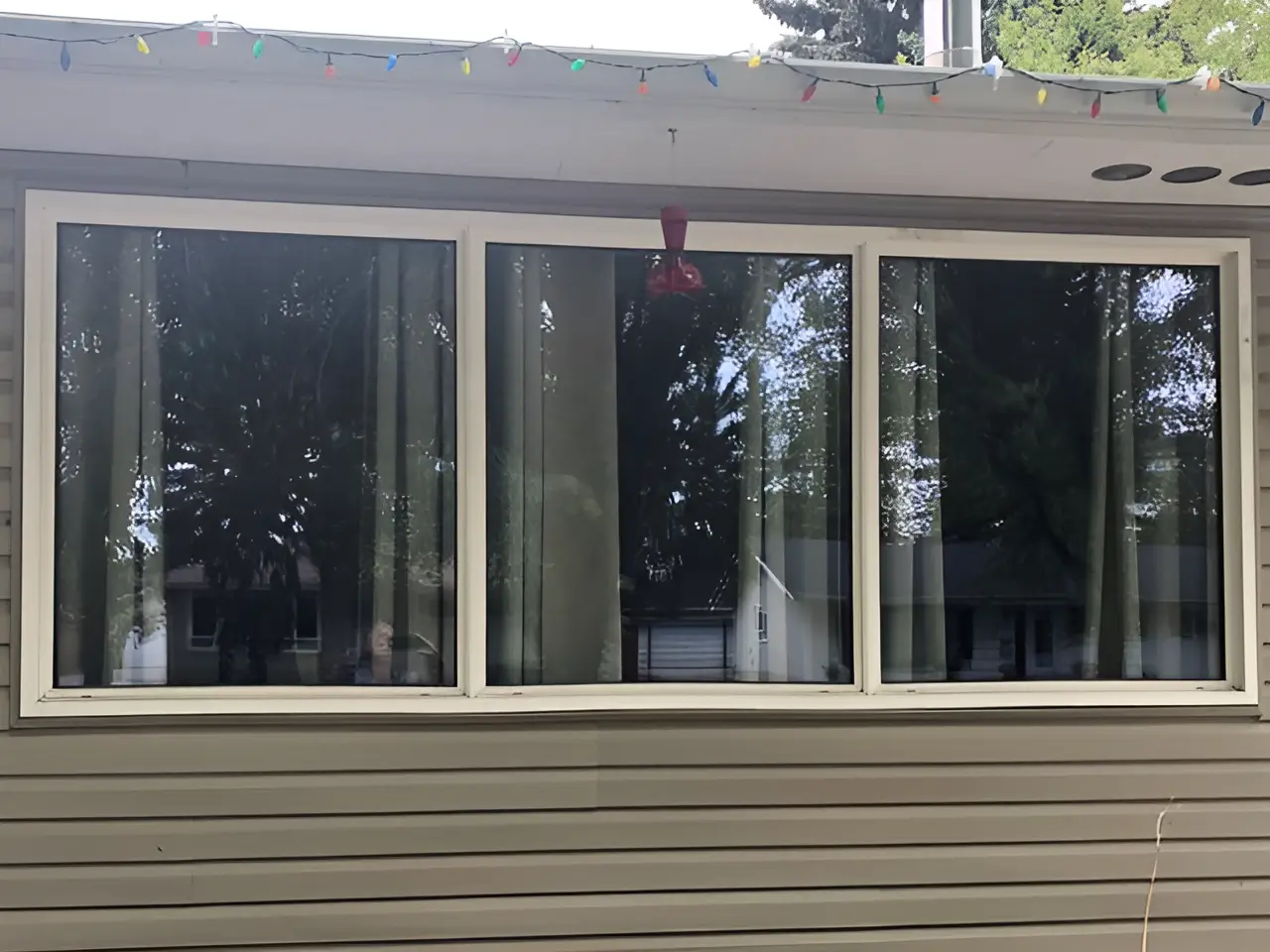
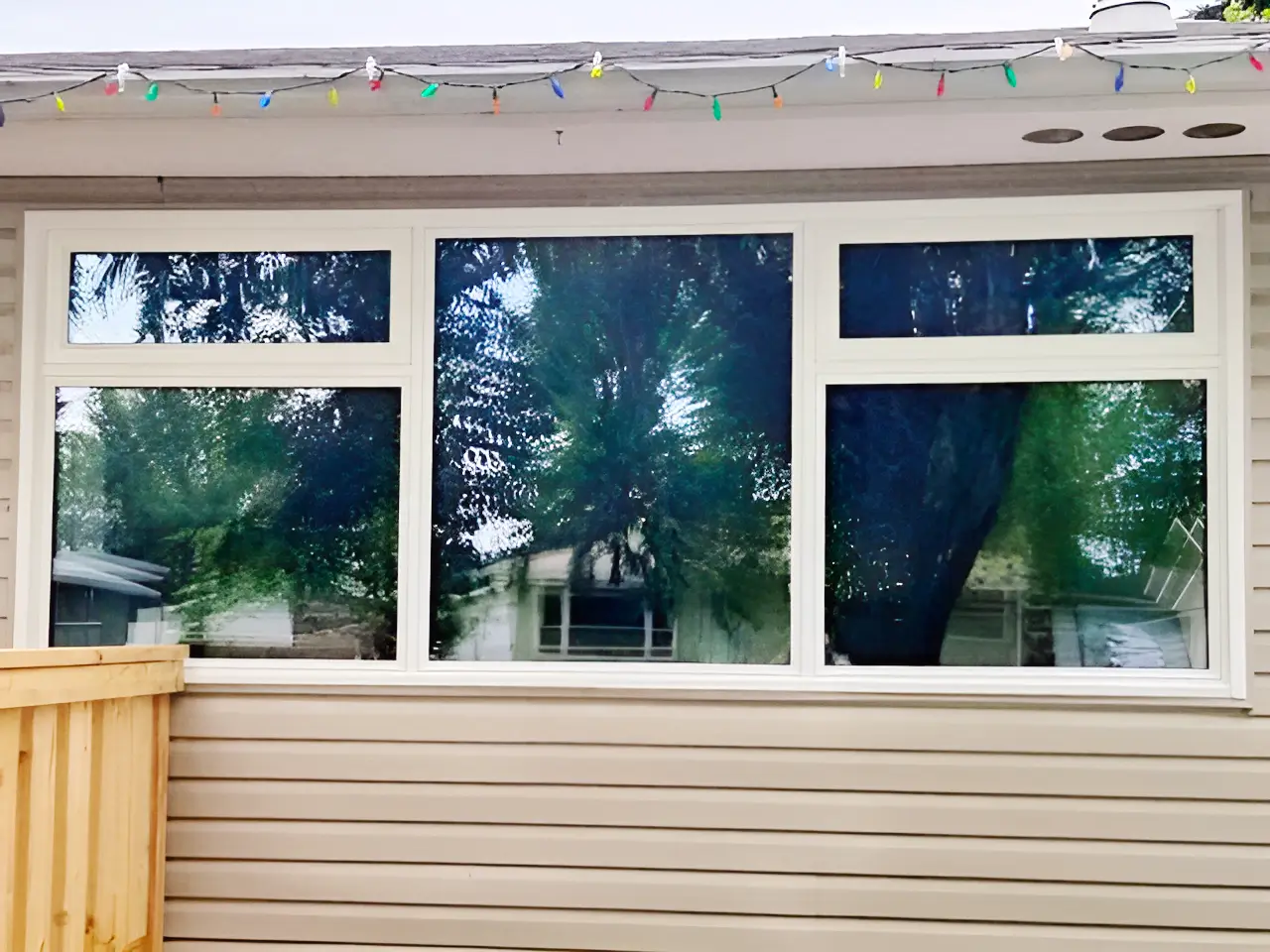
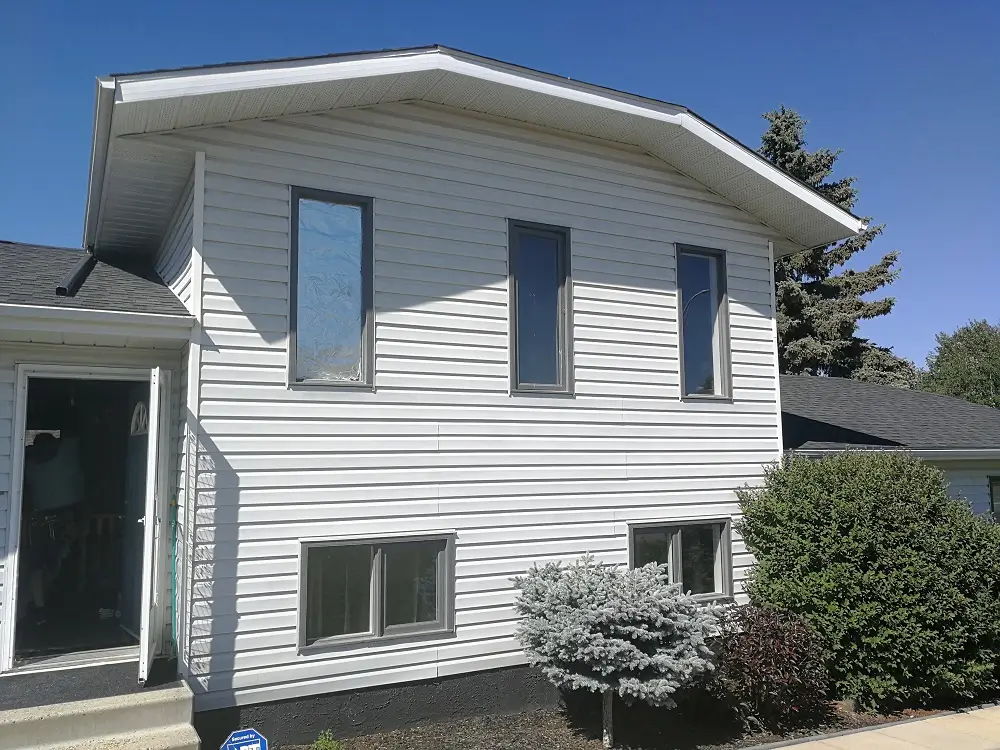
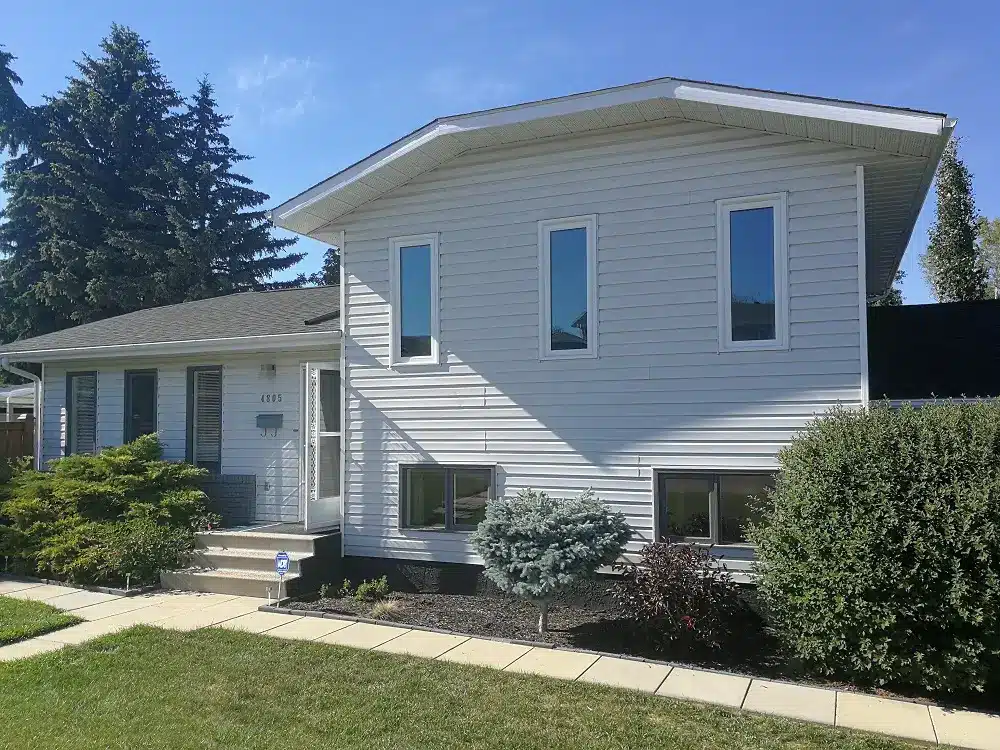
Call +1 888 818 4211 or reach out online for a free, no-pressure assessment. You can also browse real before-and-after projects or check what other homeowners say in our reviews.
Frequently Asked Questions
How much does it cost to replace one window?
Most homeowners pay between $500 and $1,500 per window installed, depending on size, style, and glass package. Larger openings, premium styles, or bay and bow configurations push the cost toward the higher end of that range.
Is it cheaper to replace windows one at a time or all at once?
Replacing all windows in one project usually reduces labor inefficiencies and can qualify for better promotional or financing offers. Replacing windows in phases costs more per project overall but spreads out the expense, which can help if budget is the main constraint.
What’s the biggest factor in replacement window pricing?
Installation complexity and product construction often matter as much as the glass itself. A well-built window that’s poorly installed can still underperform, so labor quality deserves as much attention as the material specs.
Do triple-pane windows cost significantly more than double-pane?
Triple-pane glass typically adds a noticeable premium over double-pane, but it improves insulation and comfort enough that many homeowners in colder climates consider it worth the extra cost, especially for north-facing rooms.
Why do window quotes vary so much between companies?
The gap usually comes down to scope, not just markup — one quote may include removal, disposal, finishing, and warranty-backed installation, while another leaves items out. Always ask exactly what’s included before comparing prices side by side.
Can financing lower the upfront cost of new windows?
Yes. Many companies, including manufacturer-direct installers, offer financing options that spread the cost over time, which can make a full-home project more manageable than paying the full amount upfront.
Factory-Direct Windows & Doors: Honest Pricing, No Middlemen
Create a more comfortable home with beautifully made windows and doors at factory-direct prices. Whether you need window replacement in Calgary or a full door upgrade, working directly with us means fair, transparent pricing, personalized service, and quality you can trust — straight from our factory to your home.
Direct From Our Factory to Your Home
No dealers, no extra markups — just thoughtfully crafted windows and doors, clear communication, and real value. We make it easy to upgrade your home with products built for comfort, energy efficiency, and long-lasting performance.

Special Offer: Save 25% on Factory Pricing!
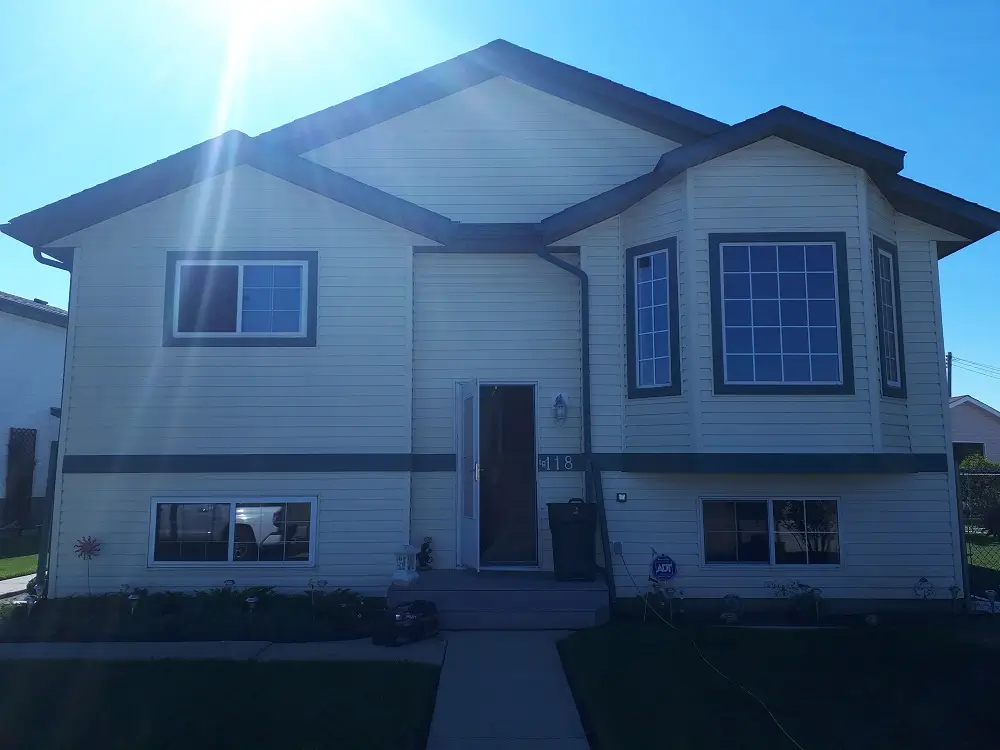
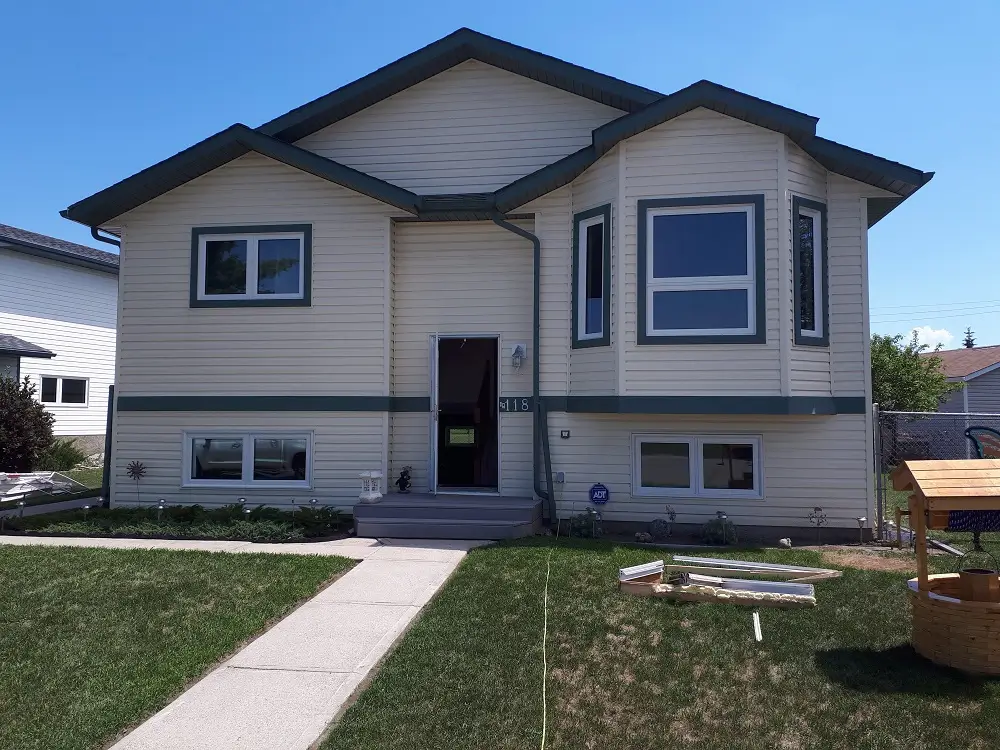
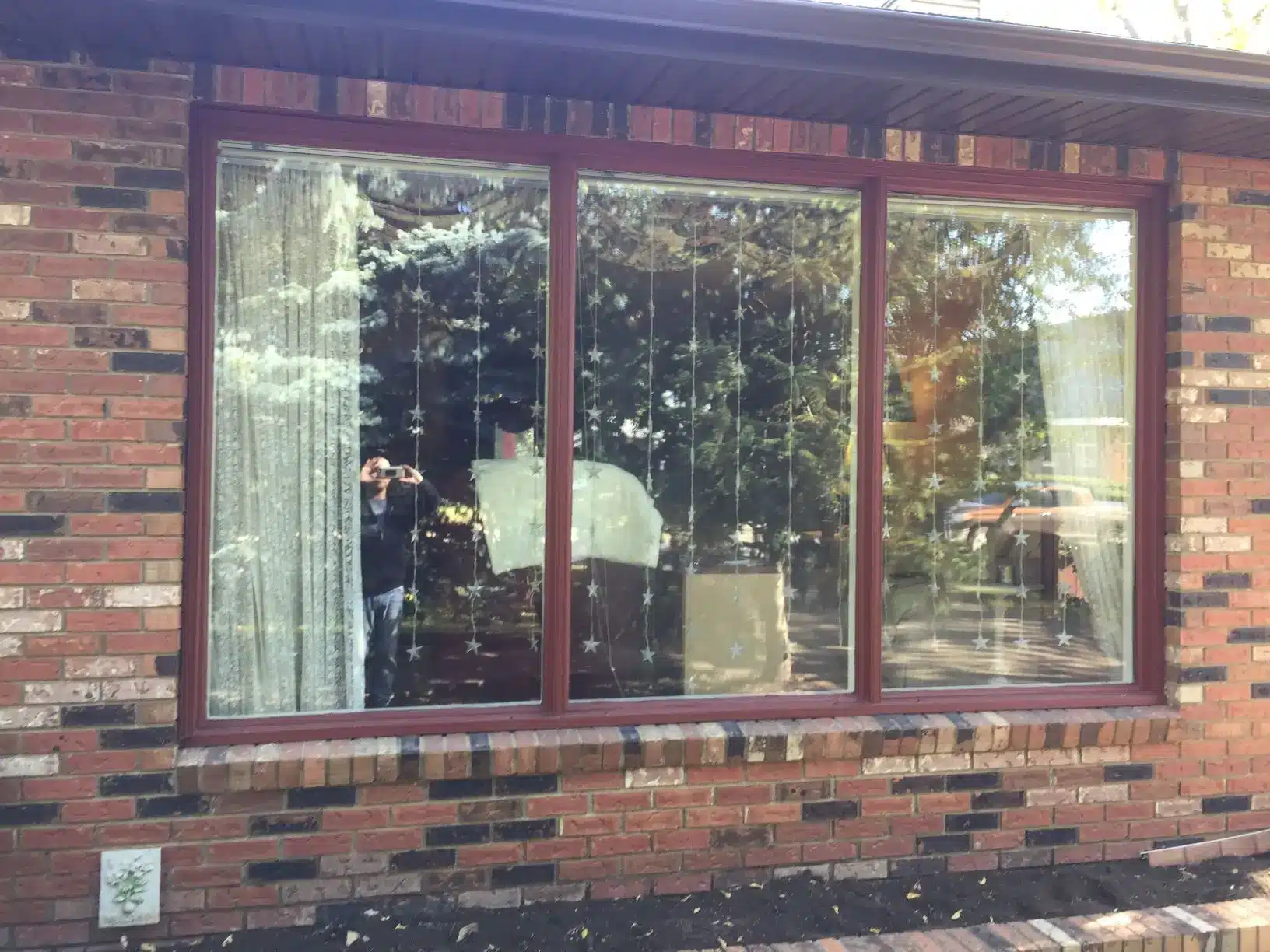
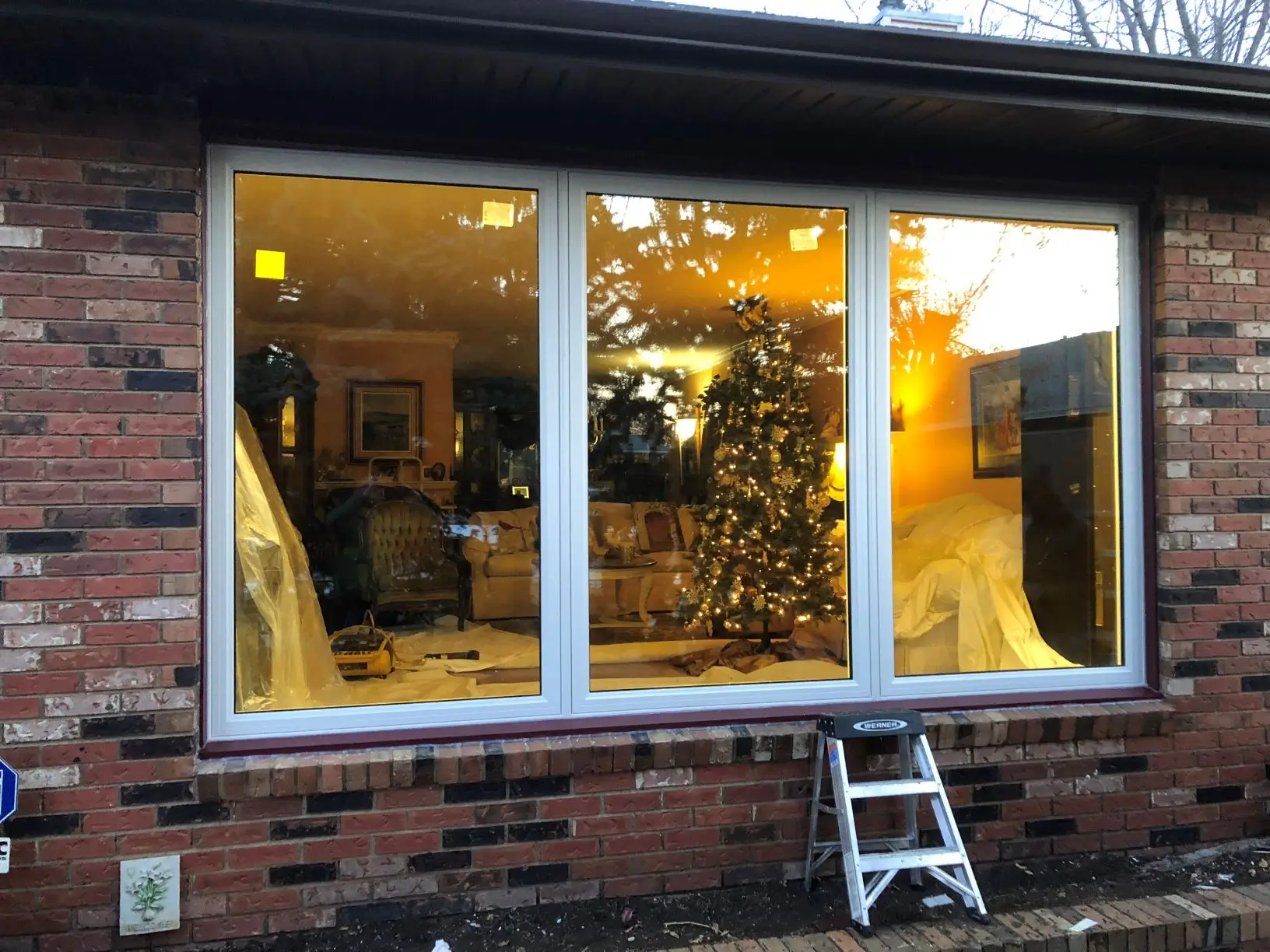
Before & After
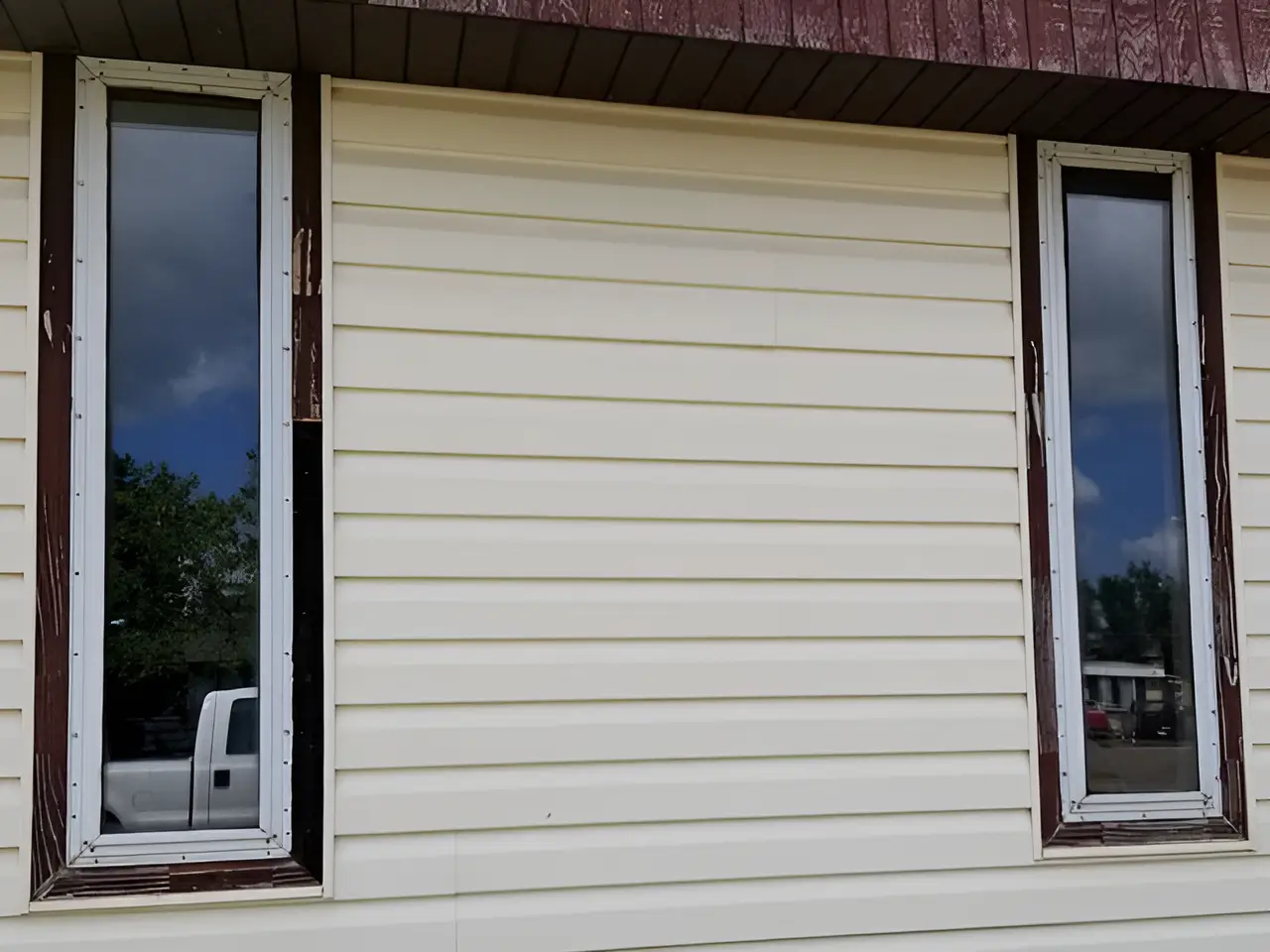
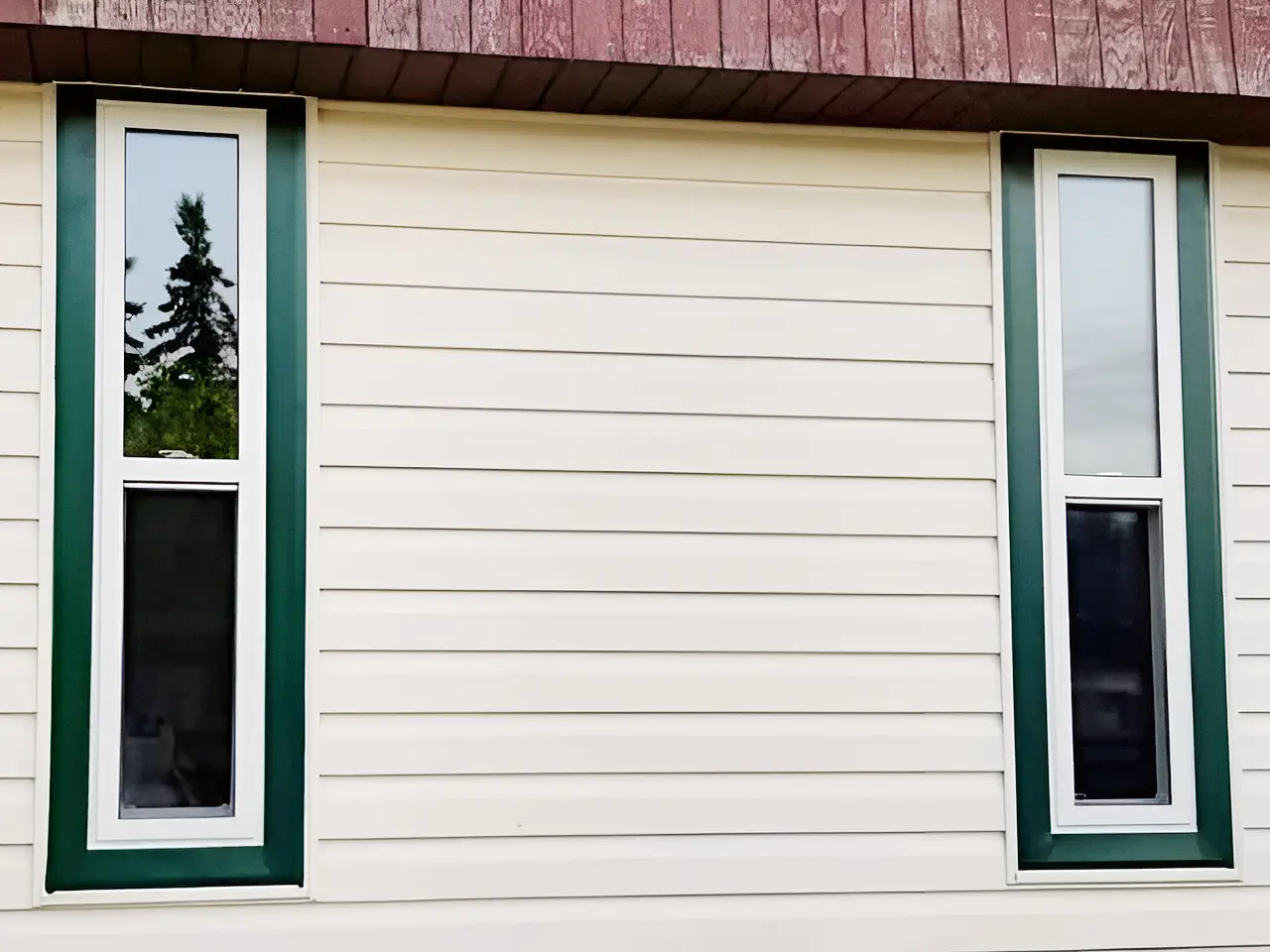
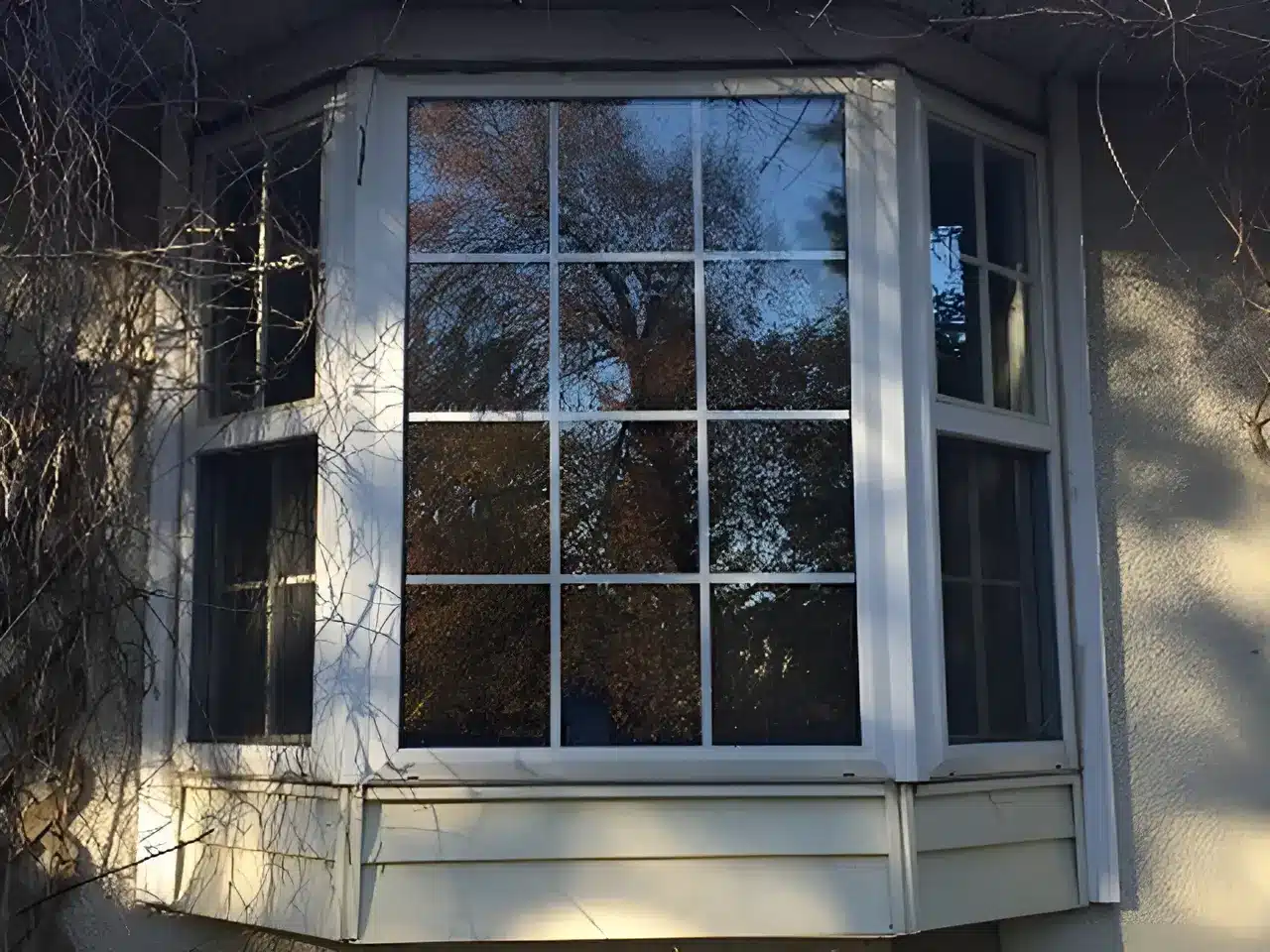
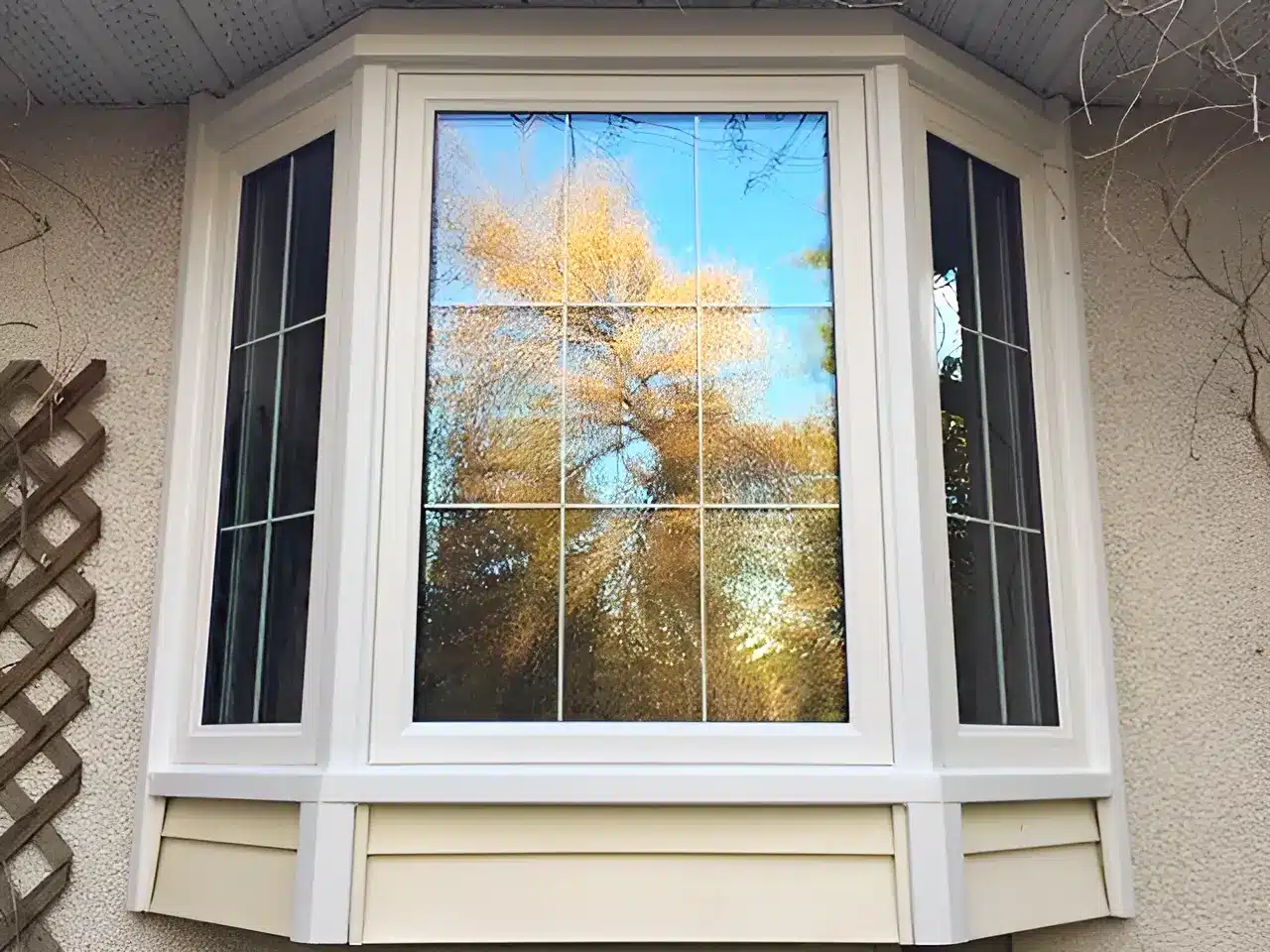
Our Customer Journey

Call us

Measurement

Calculation

Agreement

Manufacturing

Delivery

Installation

Happy Customer