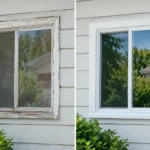
A picture window can turn a dark living room into the best seat in the house. It can also become the spot you avoid on a January evening if the window was chosen or installed poorly. So, are picture windows energy efficient? Yes, they can be highly efficient because they do not open, but real performance depends on the glass package, frame, size, placement, and installation quality.
For Calgary homeowners, that distinction matters. Our weather asks a lot of every window: deep cold, strong sun, sudden temperature swings, and wind. A well-built fixed window helps keep your home bright and comfortable without asking your furnace to work overtime. The wrong specification can leave you with beautiful views and disappointing comfort.
Are Picture Windows Energy Efficient by Design?
Picture windows are fixed windows. Unlike casement, sliding, or hung windows, they have no operating sash, crank, track, or opening hardware. That simpler design is their main energy advantage.
Every operable window has weatherstripping and compression seals that must perform correctly over years of use. High-quality opening windows can be very efficient, but a fixed unit removes several potential paths for air leakage. Fewer moving parts generally mean a tighter assembly.
A picture window is not automatically efficient simply because it is fixed. Glass covers most of its surface, and glass performance has a major effect on comfort and energy use. A large, basic double-pane window may still feel cold near the glass during winter. By comparison, a properly specified fixed window with high-performance glazing can provide a broad view while helping maintain a more stable indoor temperature.
What Makes a Picture Window Perform Well?
Energy efficiency is not one feature printed on a brochure. It is the result of components working together, from the insulated glass unit to the final seal between the frame and your wall.
Glass package and coatings
For a cold climate, double-pane insulated glass is a starting point, not the whole story. Low-E coatings reflect heat back toward its source. In winter, that helps retain indoor heat. In summer, the right coating can reduce unwanted solar heat gain and help protect flooring and furnishings from fading.
Argon gas between panes is another common feature that improves insulation compared with air alone. Triple-pane glass may offer even better thermal performance, particularly on large windows or walls that receive strong wind exposure. It can improve the comfort of the room near the glass, not just the number on an energy label.
The best choice depends on the window’s direction. South-facing glass may provide useful winter sunlight, but it can also create glare and overheating during bright months. West-facing windows often receive intense late-day sun. A knowledgeable consultation should consider orientation rather than applying one glass option to every opening.
Frame material and construction
The frame is a smaller portion of a picture window than the glass, yet it still matters. A well-made vinyl frame with multiple insulated chambers can reduce heat transfer and requires little maintenance. Quality reinforcement and careful welding also support long-term shape and seal performance.
Poorly built frames can expand, contract, or lose their square alignment over time. When that happens, even excellent glass cannot fully compensate. Homeowners comparing quotes should look beyond the visible frame color and ask about construction, glazing method, and the warranty behind the product.
U-factor, solar heat gain, and air leakage
There is no single “best” rating for every home. Lower U-factor means the window resists heat loss more effectively, which is especially valuable during Calgary winters. Solar heat gain coefficient indicates how much solar heat passes through the glass. A lower number reduces sun-driven heat, while a higher number can capture more warmth from the sun.
Air leakage is also worth discussing. Fixed windows often have an advantage here, but the full assembly must be properly manufactured and installed. Ask for performance information that matches the actual window configuration being quoted, not a vague claim based on a different model.
Large Glass Areas Bring Real Trade-Offs
Picture windows are often chosen for their scale. They frame a backyard, mountain view, or open-concept living area in a way smaller units cannot. That same scale means design decisions carry more weight.
A very large window has more glass area than a standard opening, so even efficient glazing may not insulate as well as a well-insulated wall. In some homes, a large picture window is still the right choice because daylight, views, and resale appeal matter. The goal is to manage the trade-off with the right glass, frame, and placement rather than assuming all large windows perform the same.
Condensation is another concern. Indoor humidity, outdoor temperature, airflow, and window surface temperature all play a role. A high-performance window helps keep interior glass warmer, reducing the risk, but no window can overcome excessive indoor humidity on its own. Proper ventilation and sensible humidity control remain part of protecting your home.
Picture windows also do not provide ventilation. Many homeowners solve this by pairing a fixed center window with casement or awning windows on one or both sides. That approach preserves the view while allowing fresh air when conditions are right. It can also create a more balanced exterior design.
Installation Can Decide Whether Efficiency Delivers
A premium window installed carelessly will not perform like a premium window. Gaps around the frame, weak insulation at the rough opening, incorrect flashing, or an uneven opening can lead to drafts, moisture concerns, and heat loss.
Professional installation begins with accurate measurement and a careful review of the existing opening. The old window must be removed without unnecessary damage, and the new unit must be level, square, securely fastened, insulated, and sealed according to the wall condition. Exterior details should direct water away from the opening, while interior finishing should look clean and complete.
This is one reason factory-direct service has real value. When the manufacturer, supplier, and installer are connected, there is clearer accountability from specification through final installation. At Window Seal West, locally made replacement windows are customized for the home and installed by experienced professionals who understand what Calgary conditions demand.
When a Picture Window Is the Right Choice
A picture window is an excellent option when your priority is daylight, a clear view, and dependable insulation without ventilation at that specific location. It works particularly well in living rooms, dining rooms, stairwells, entry areas, and feature walls where an operable sash is not necessary.
It may be less suitable as the only window in a room that needs regular airflow, such as a bedroom or kitchen. In that case, a combination design can offer the best of both worlds. Consider how you use the room, where sunlight enters, and whether furniture will sit close to the window. Comfort at the glass matters more when a sofa, dining table, or reading chair is nearby.
Questions to Ask Before You Buy
Before approving a quote, ask what glass package is included, what U-factor the configuration achieves, and whether triple-pane glass makes sense for the opening. Ask how the window will be insulated and sealed during installation, what warranty applies to the frame and sealed unit, and whether the installer will address any damaged trim or wall conditions found during removal.
Price matters, but the lowest number is not always the lowest long-term cost. A properly built, professionally installed picture window can reduce drafts, improve room comfort, support lower heating demand, and give your home a cleaner, more open feel for years.
If a picture window is part of your renovation plan, choose it as a complete system, not just a pane of glass. The right custom design can give you the view you want and the dependable performance your home needs through every Calgary season.